Aug 22, 2026
Soundboks Mix: Compact portable party speaker
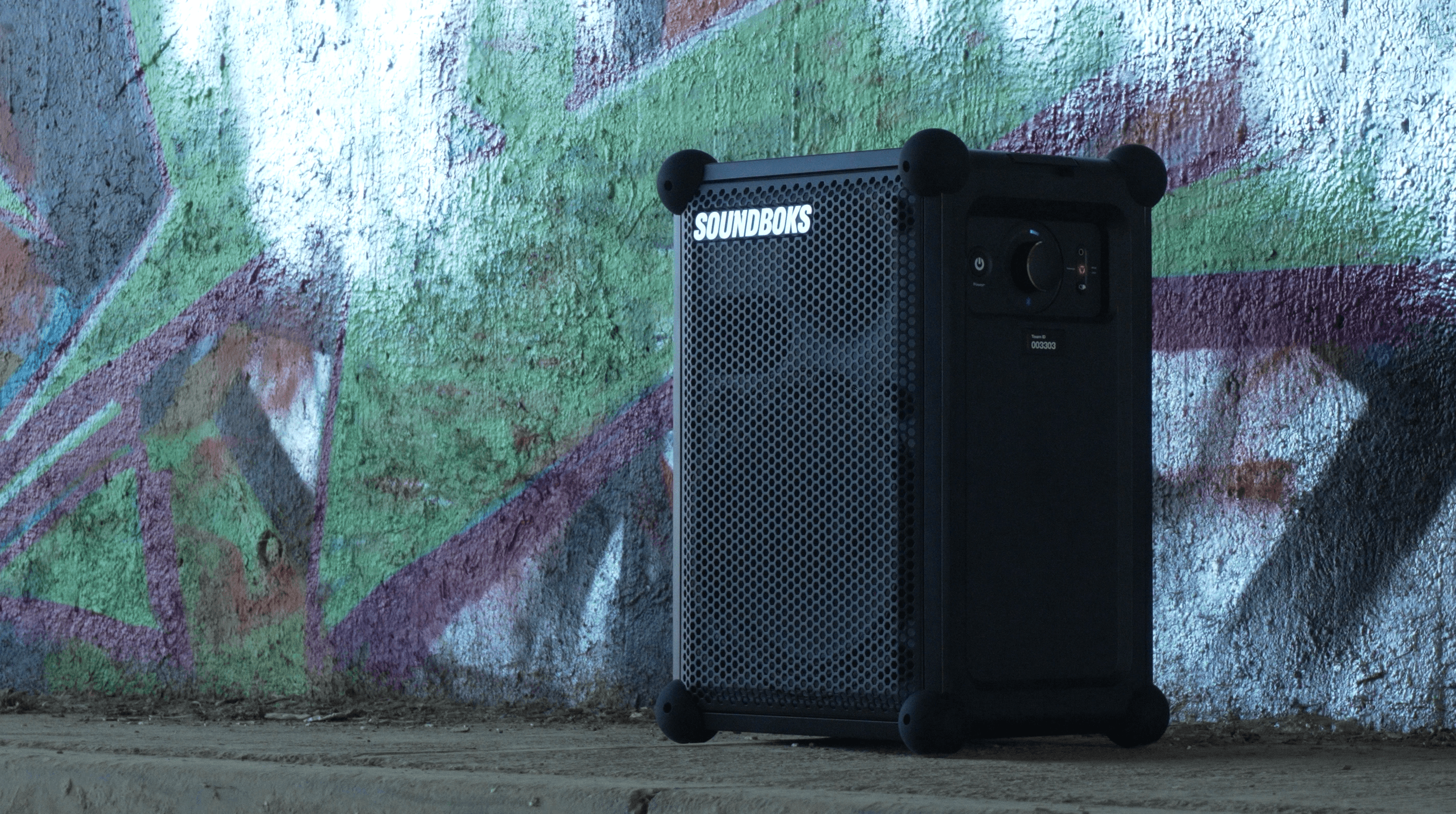
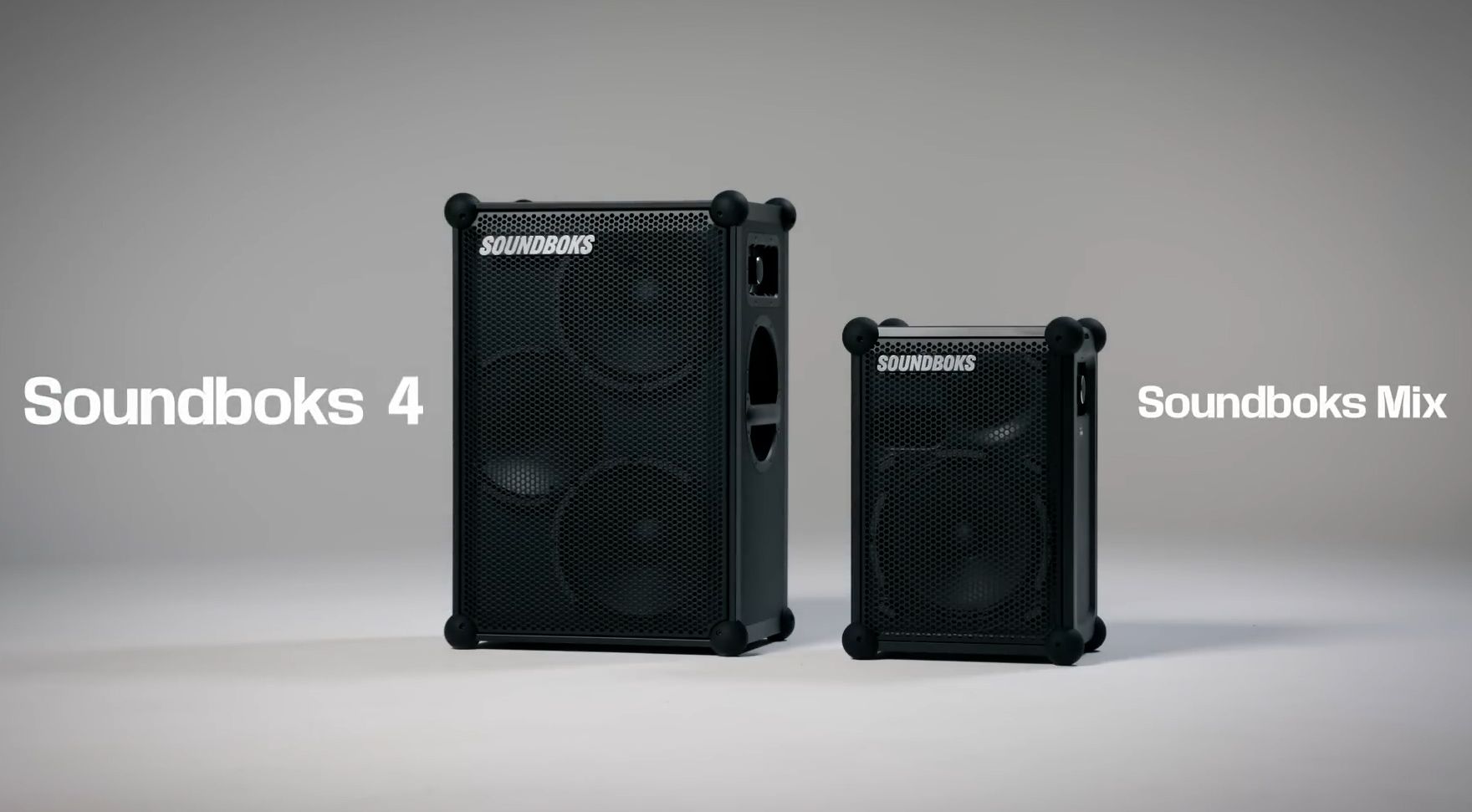
The Soundboks Mix is the more compact and lighter member of the Soundboks family to date. Weighing less than ten kilograms, it is designed to make the typical Soundboks concept even more mobile: plenty of volume, long battery life, and a robust cabinet that can withstand a lot on the go.
As part of a paid collaboration with Thomann, the Soundboks Mix was provided to me for a limited period for this test. In addition to my subjective listening impressions, I also examined the speaker using measurements.
Or watch my YouTube video about it right away!
Familiar design and robust construction
Visually, the Soundboks Mix is much more closely related to the brand's larger models than the earlier Soundboks Go. The combination of rounded corners, distinctive edge rails, and an industrial look is reminiscent of classic rack cases used in event technology. As a result, the speaker immediately looks like a Soundboks and remains true to the brand's characteristic design.
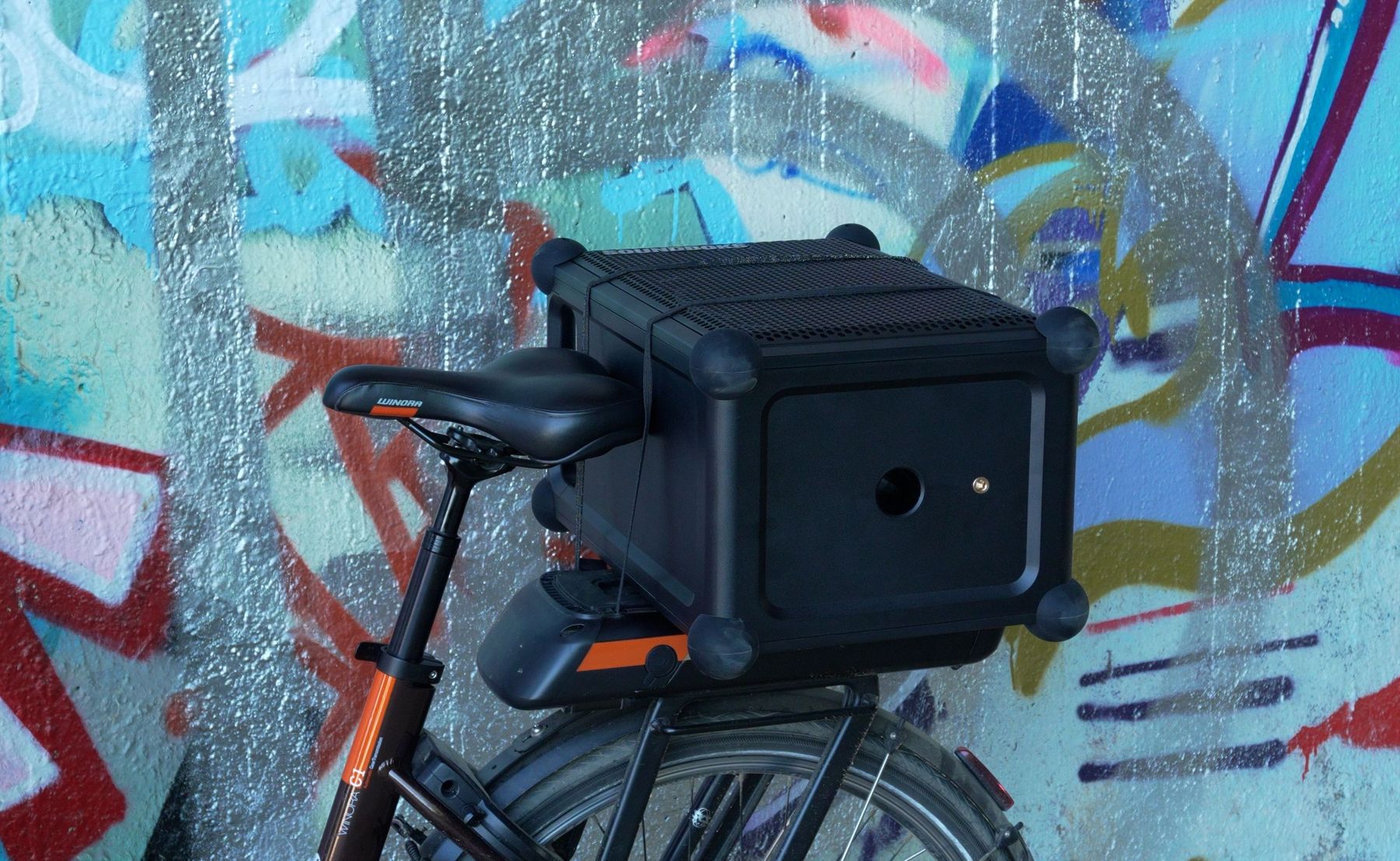
The cabinet is made from a blend of ABS and PP plastic and feels exceptionally robust. A metal grille protects the front, while the rubber corners absorb impacts. According to Soundboks, the Mix can survive drops from heights of up to one meter. It is also protected against dust and water jets in accordance with IP65.
These features make the speaker particularly appealing for mobile use. You do not have to constantly worry about the cabinet being damaged during transport or at a party. At the same time, the speaker remains light enough to take easily to the beach, the park, or on a bike ride.
Features and battery life
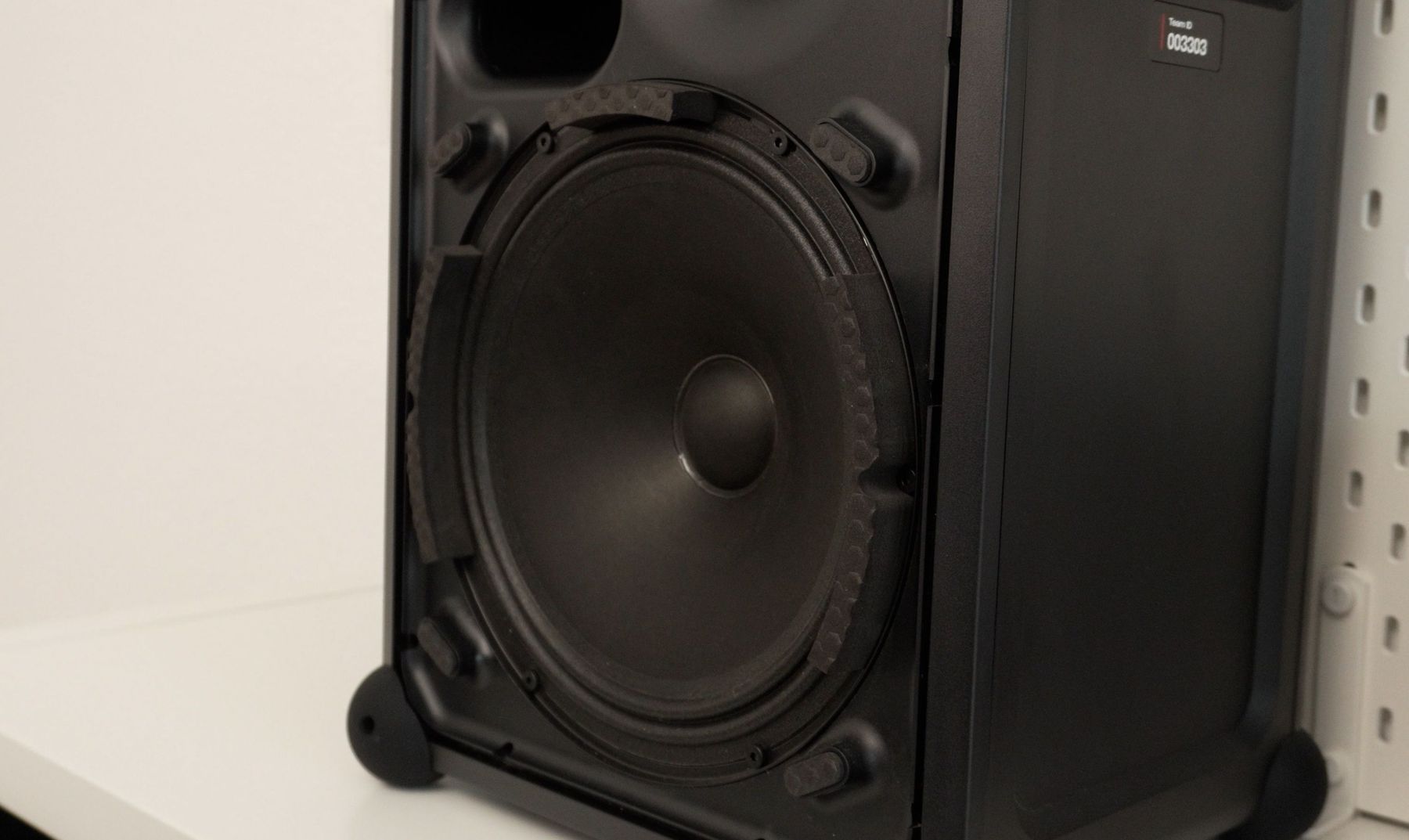
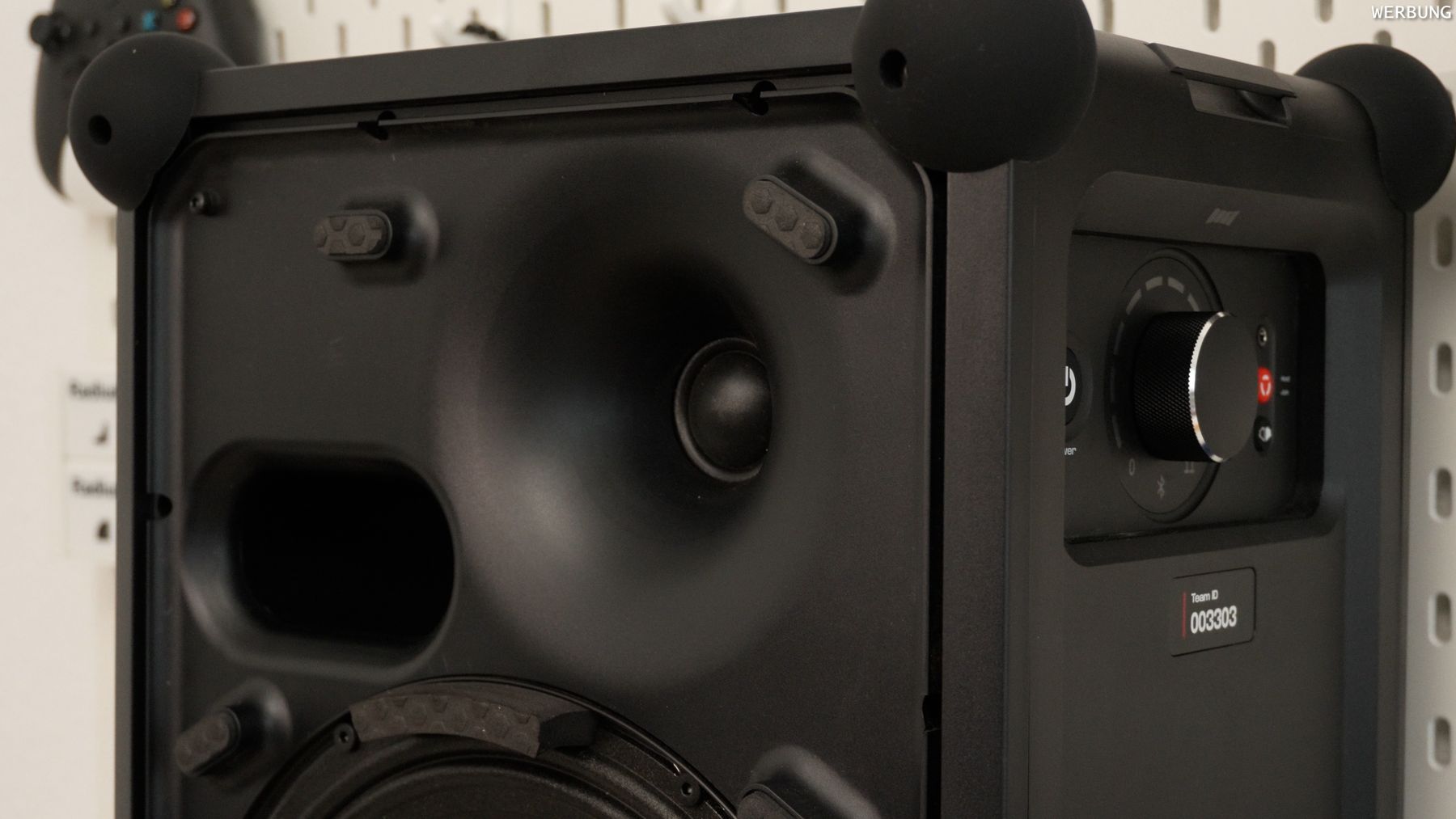
Inside, a 10-inch woofer is supported by a tweeter with a 1.2-inch dome. According to the manufacturer, the amplifier delivers up to 72 watts for the woofer and 20 watts for the tweeter. The 100-Wh battery is designed to provide up to 40 hours of runtime at medium volume.
Given the compact design and the performance on offer, that is a remarkable figure. At high volume, runtime is understandably reduced considerably, but depending on the sound profile it still amounts to around five to ten hours. In many cases, that should be enough for a longer party or a full day outdoors.
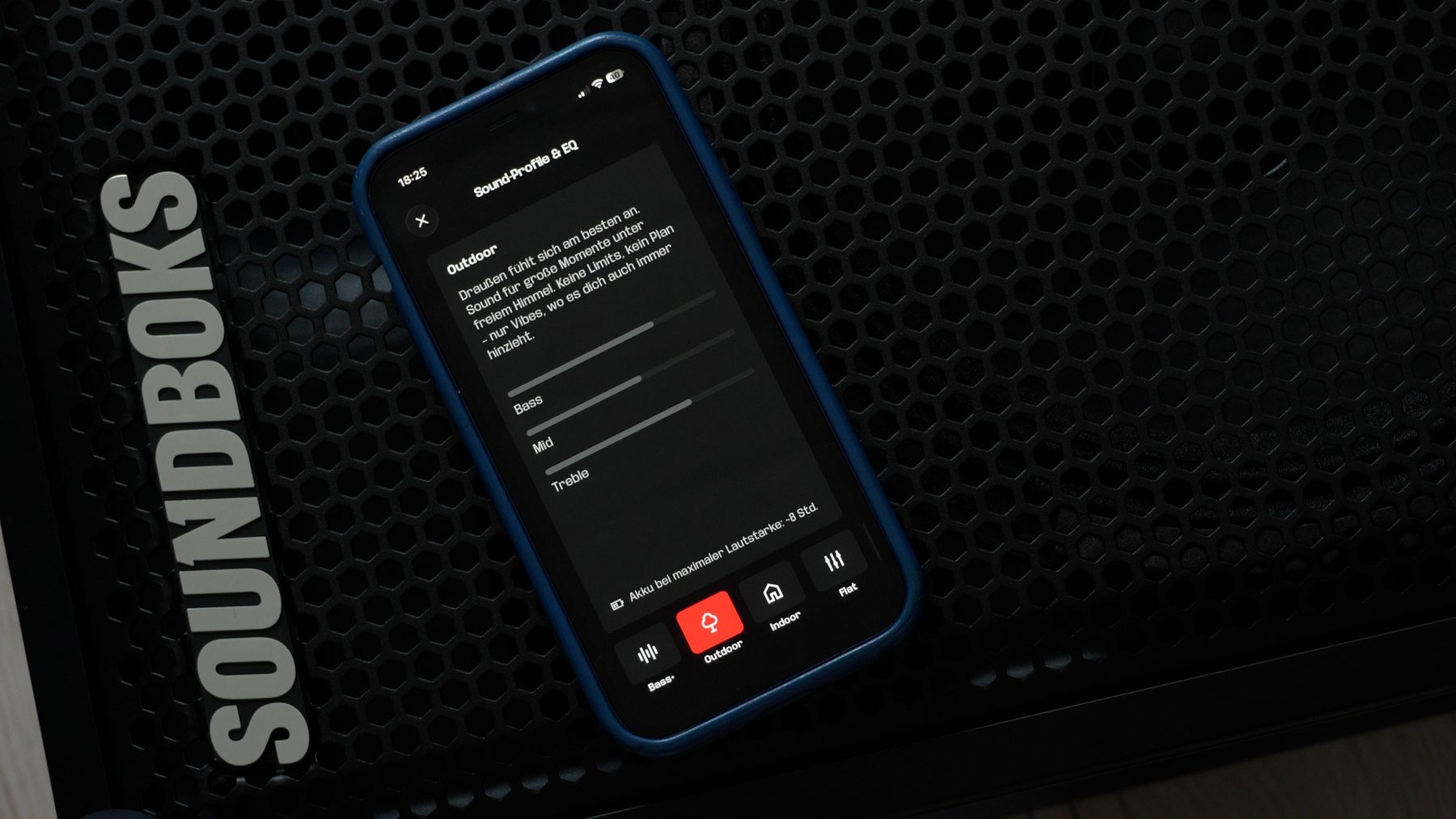
The app lets you select different sound profiles and make your own tonal adjustments with a custom EQ. Connecting multiple speakers is also possible. Overall, operation is straightforward and is one of the major advantages of a finished system over a DIY project.
Sound: more neutral indoors, more convincing outdoors
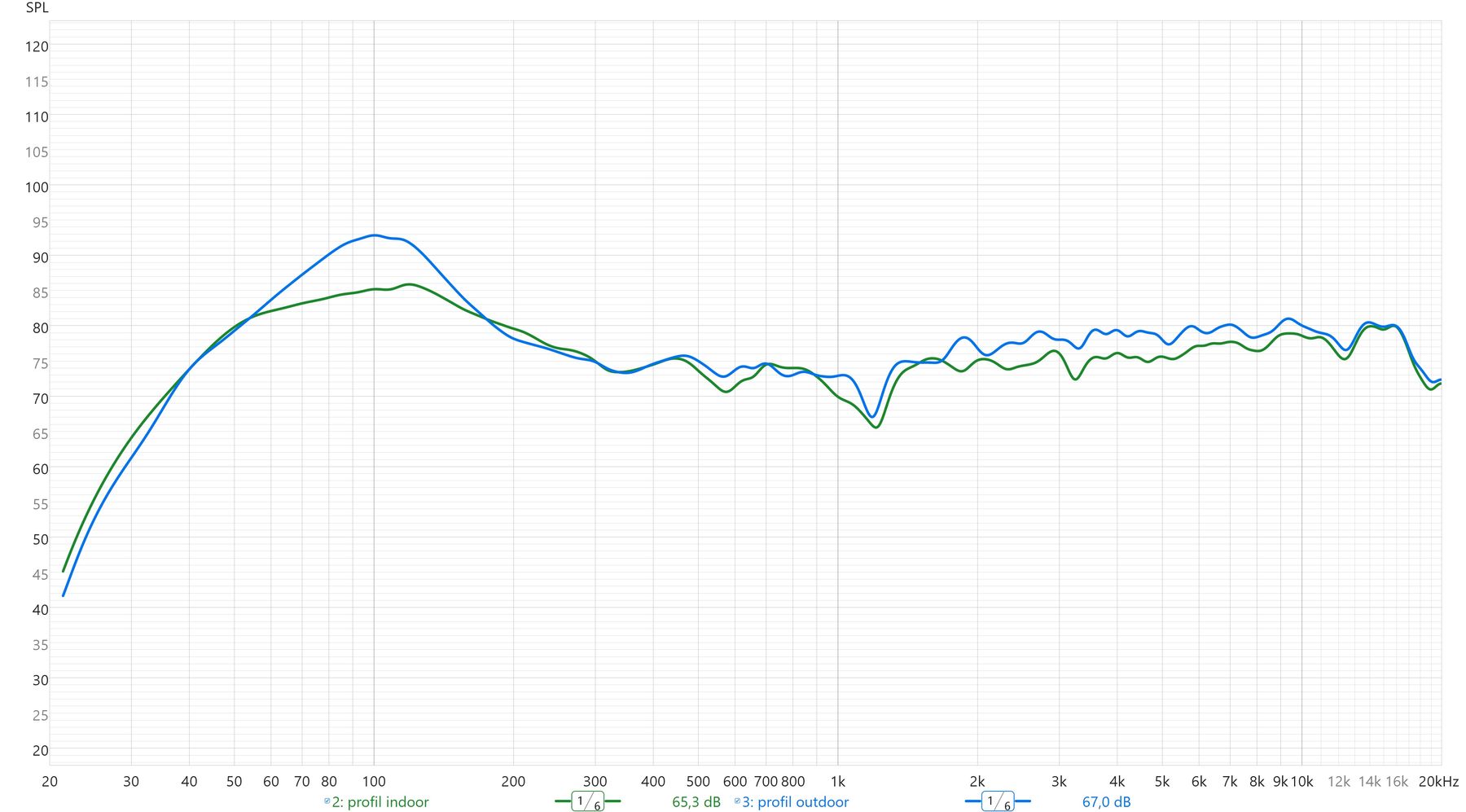
When I first switched it on, the Soundboks Mix initially sounded far too boomy to me, with an elevated treble. The reason was the activated outdoor profile (blue curve). It significantly boosts the range around 100 hertz, creating a pronounced bass hump.
The tuning is much more balanced in the indoor profile (green curve). The bass extends surprisingly low for such a compact party speaker, while the treble is somewhat reduced. Nevertheless, the speaker does not sound completely neutral. Indoors in particular, the treble is a little too prominent for my taste, which can make the midrange sound thinner.
The outdoor profile works much better once the speaker is actually used outside. The boosted treble is hardly noticeable anymore. The even dispersion of the revised tweeter and horn is especially positive. The sound remains pleasant and clear even away from the direct center axis.
Personally, I would advise against the Bass+ mode.
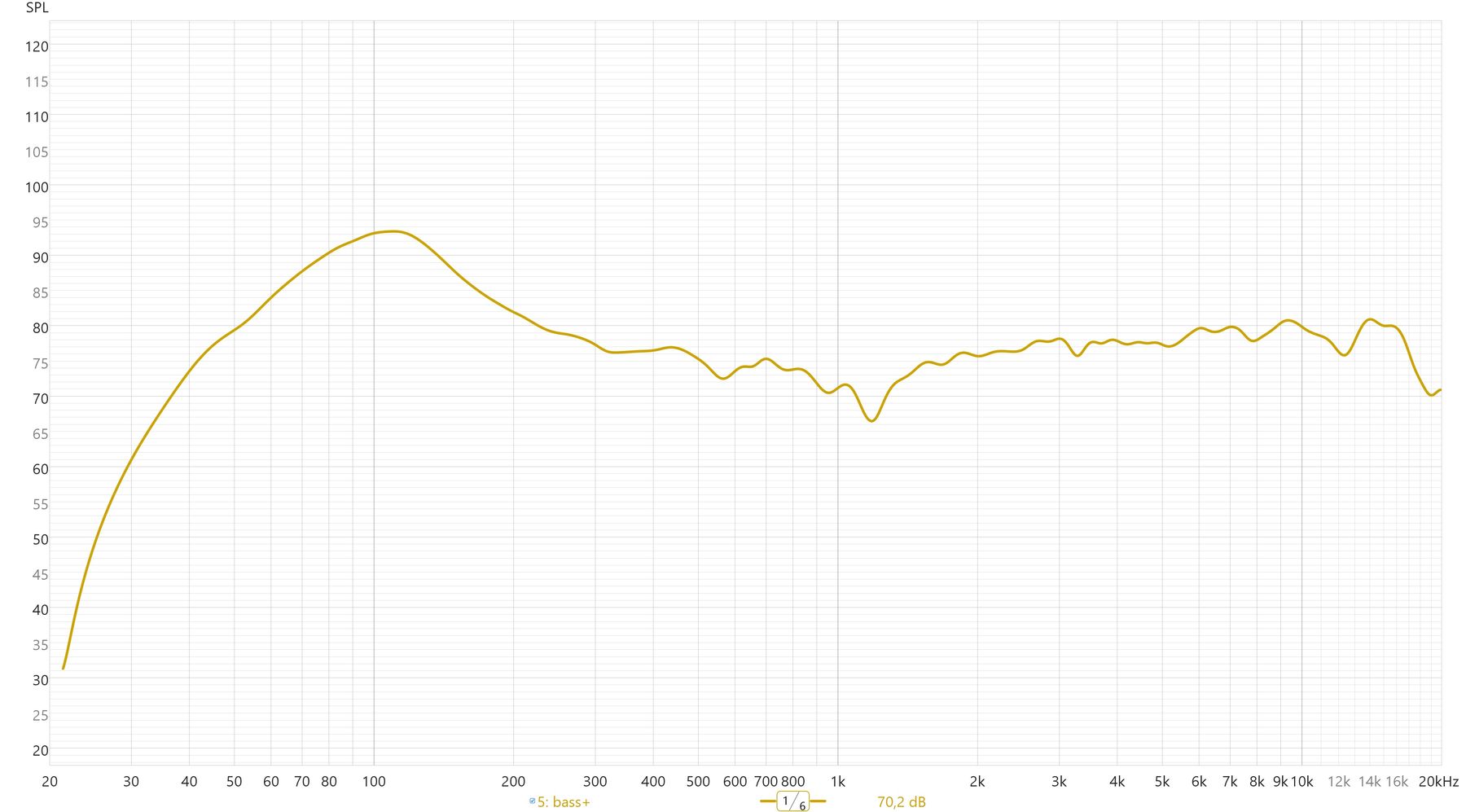
Here, the boost around 100 hertz becomes even stronger, causing the sound to quickly become monotonous and distracting. For everyday use, the indoor or outdoor profile are the more sensible settings.
Measurements and maximum volume
Soundboks specifies a maximum volume of 121 decibels for the Mix. In my outdoor measurements at 1m, the speaker reached around 100 dBA or 110 dBC. These values are below the official specification, but still show that the Soundboks Mix plays very loudly for its size.
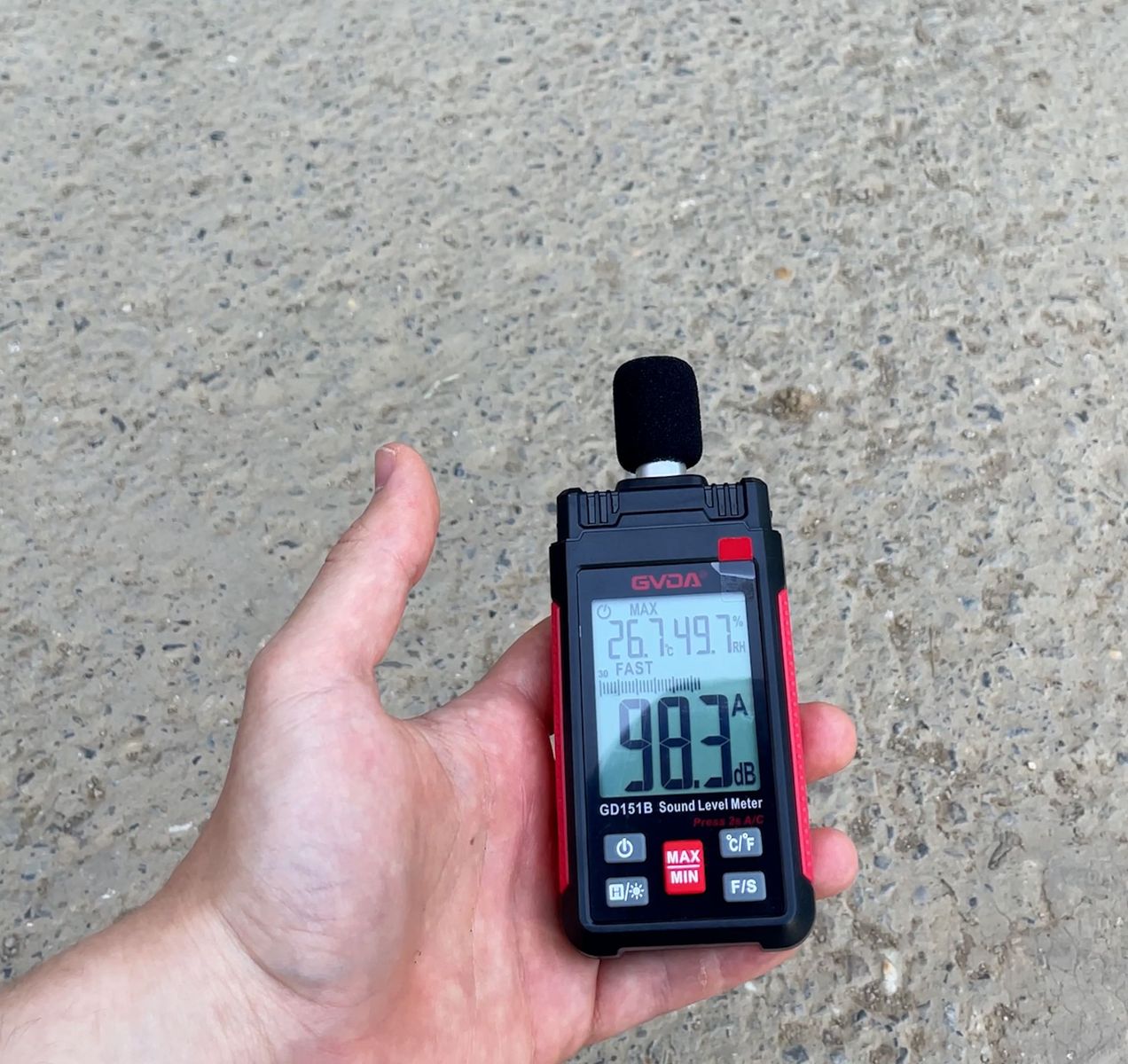
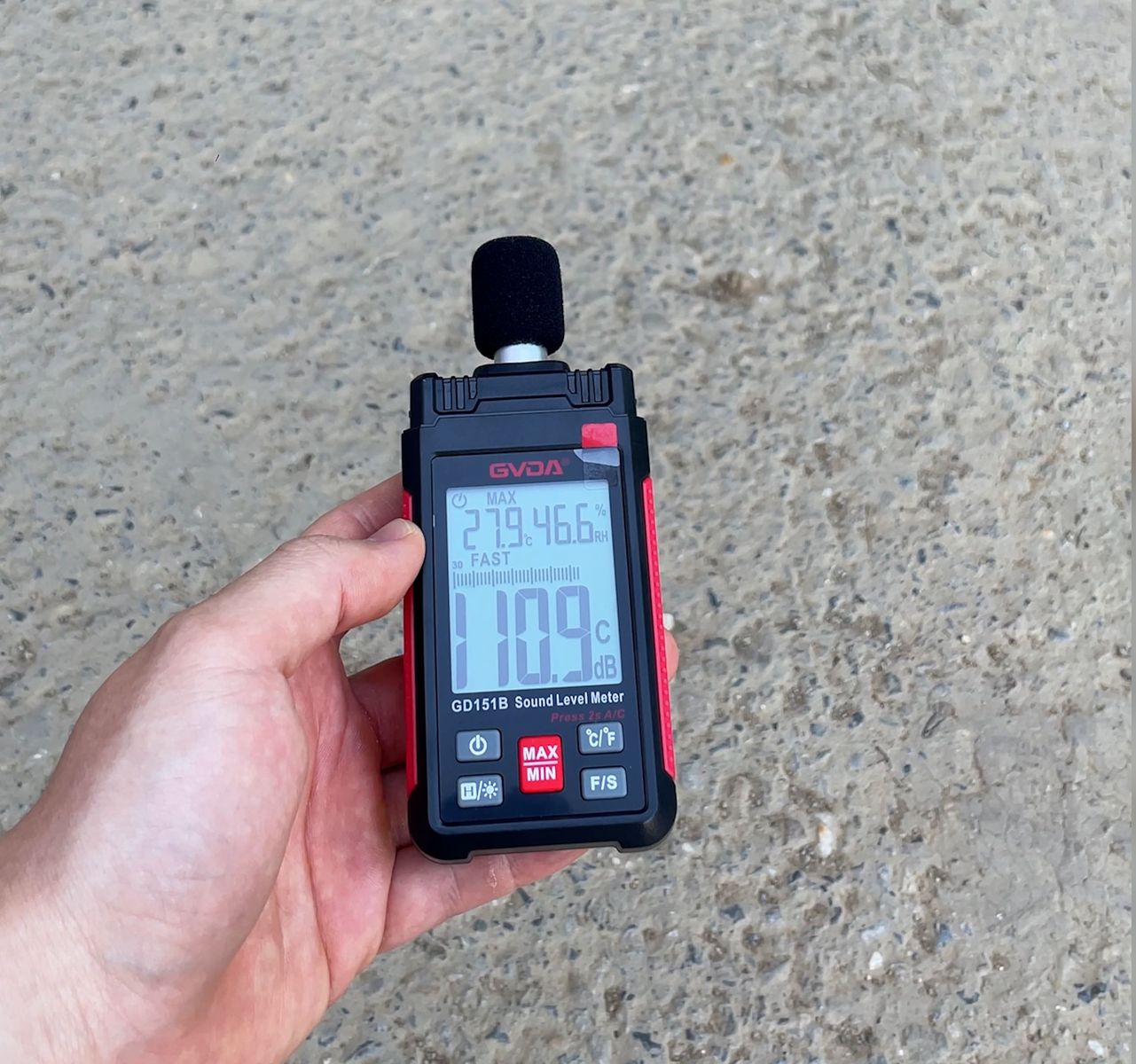
The difference can partly be explained by different measurement methods. Manufacturers are increasingly using the dBC peak value, which captures only particularly brief sound pressure peaks. This value can be considerably higher than a measurement averaged over a longer period. However, this makes comparisons with traditional dBA specifications difficult and, in my view, not especially transparent.
Regardless, the Mix is by no means quiet. Its volume is easily sufficient for larger groups and typical outdoor parties. The capabilities of this small speaker should therefore not be underestimated.
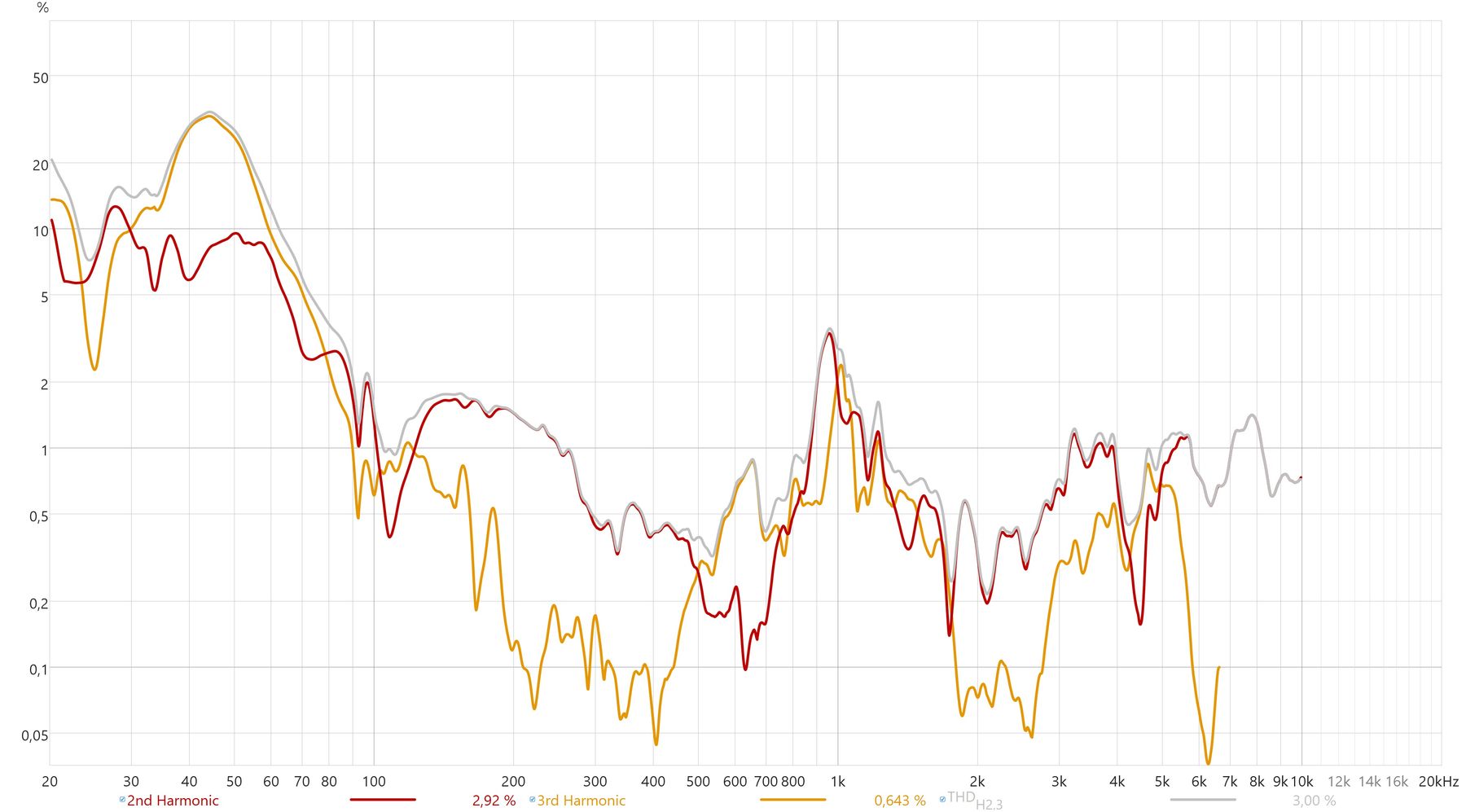
At medium levels, distortion in the midrange and treble remains largely low. Even at high volume, the tweeter still sounds pleasant and controlled.
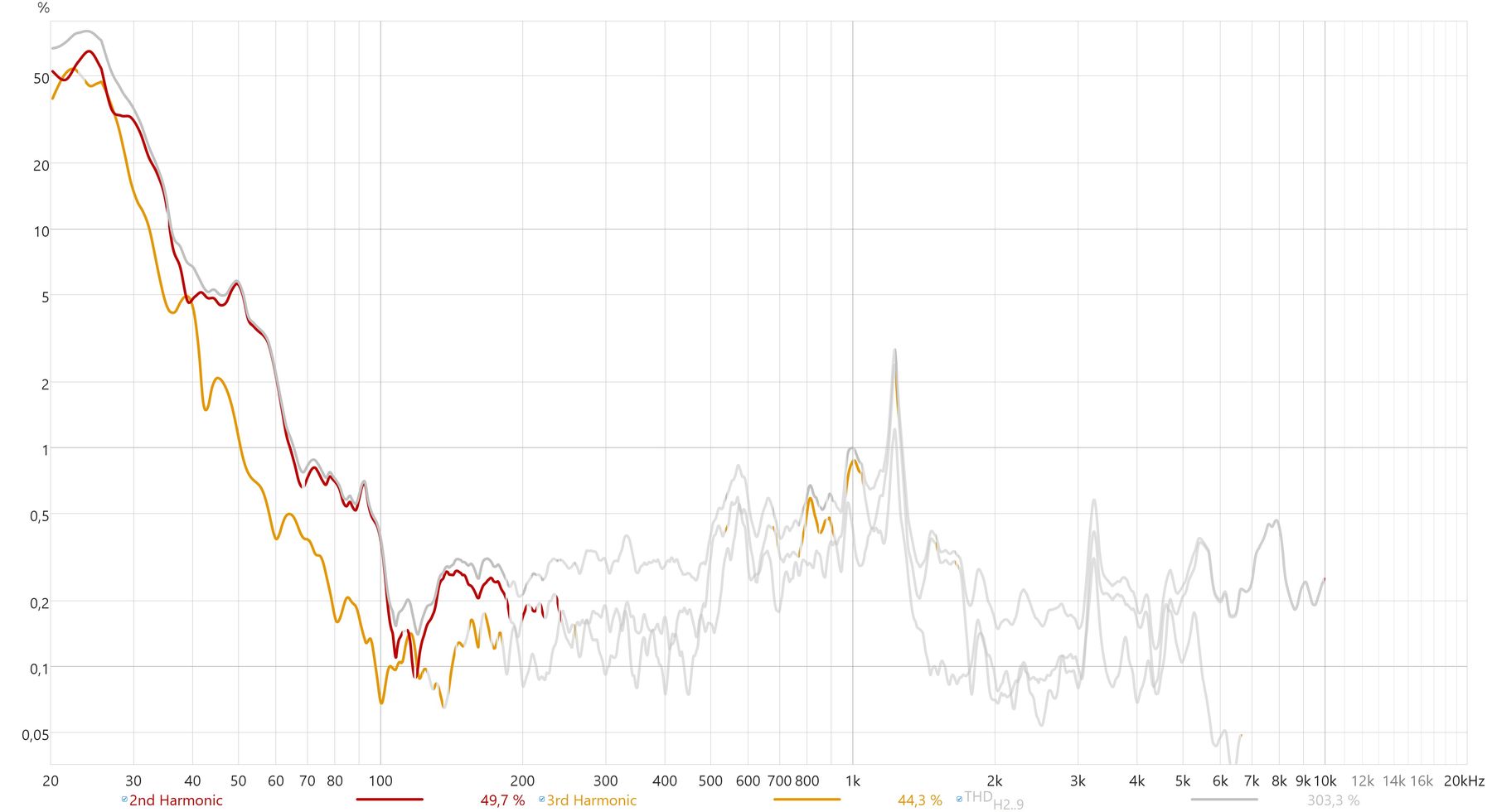
The woofer, on the other hand, is the weaker link in the system. At around 70 percent volume, the bass begins to sound audibly less clean and increasingly boomy. At maximum level, low-frequency distortion increases significantly.
Conclusion: lots of fun and mobility, but not entirely without compromises
The Soundboks Mix primarily impresses with its combination of low weight, high durability, long battery life, and simple operation. It is not a classic hi-fi speaker, nor does it try to be. Its strengths clearly lie in mobile use outdoors.
The tweeter in particular surprised me positively. It sounds clear, distributes sound evenly, and remains comparatively pleasant even at high volumes. The woofer is also convincing at moderate levels, but audibly reaches its limits at very high volume. The strong bass boost of the outdoor profile is also not ideal indoors.
My buying recommendation is therefore fundamentally positive. Anyone looking for a light, robust, and highly mobile party speaker gets a convincing overall package with the Soundboks Mix. However, in my opinion, the price of just under 700 euros at the time of testing is too high. With a somewhat more neutral tuning and a lower price, I would have found the Mix even more appealing.